
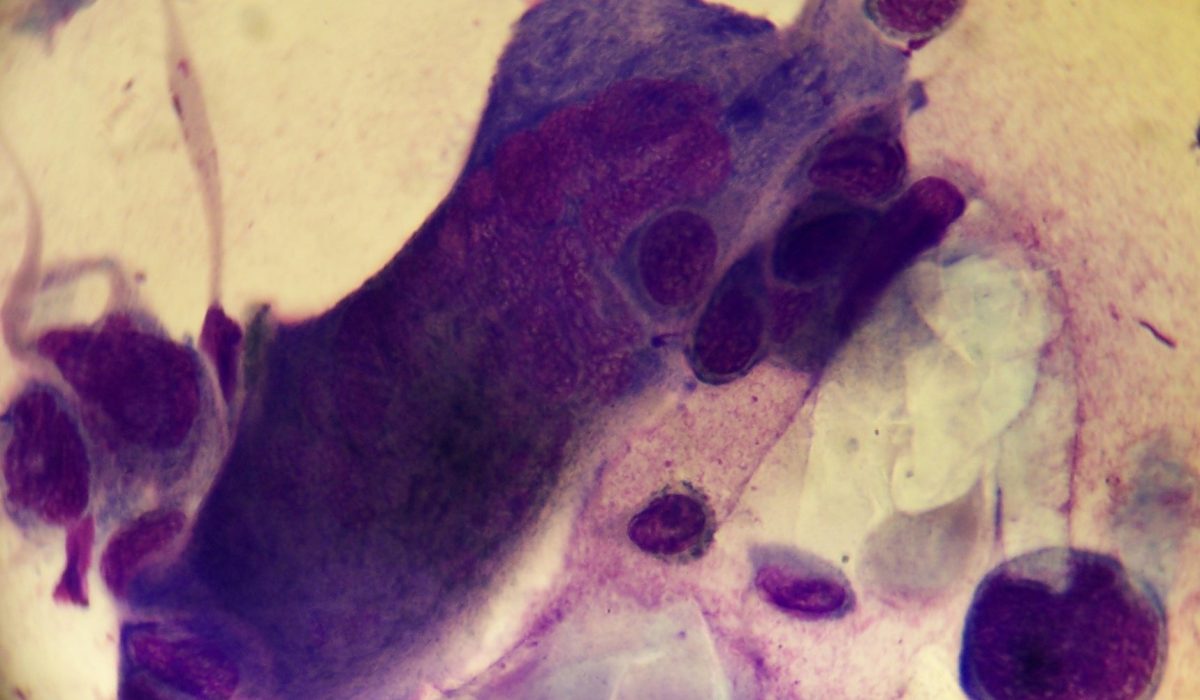
A common biology question trips people up because it’s phrased as a choice. If you’ve searched for cytoplasm eukaryotic or prokaryotic, the answer is that it’s both. Cytoplasm is found in all cells, whether they’re prokaryotic or eukaryotic.
What cytoplasm is
Cytoplasm is the jelly-like material that fills the inside of a cell, between the cell membrane and the center of the cell. It’s mostly water, with salts, proteins and other molecules dissolved in it. Many of the cell’s chemical reactions happen here, and it holds the other parts of the cell in place.
Cytoplasm in prokaryotic cells
Prokaryotes, like bacteria and archaea, are simple cells without a nucleus. Their DNA floats in a region of the cytoplasm called the nucleoid. They also have ribosomes in the cytoplasm, which build proteins. Because they don’t have membrane-bound organelles, the cytoplasm is where almost everything happens.
Cytoplasm in eukaryotic cells
Eukaryotes, which include animals, plants, fungi and protists, have a nucleus and other membrane-bound parts called organelles. Here, the cytoplasm includes everything inside the cell membrane except the nucleus. The jelly-like fluid itself is called the cytosol, and the organelles, such as mitochondria, the endoplasmic reticulum and the Golgi apparatus, sit within it.
A side-by-side comparison
- Prokaryotic: no nucleus, DNA in the nucleoid, few structures, small size.
- Eukaryotic: nucleus present, many organelles, larger size, more complex layout.
- Both: cytoplasm, a cell membrane, ribosomes and DNA.
Why people get confused
Part of the confusion comes from wording. Some textbooks define cytoplasm as “everything except the nucleus,” which makes it sound like it only belongs to cells with a nucleus. But prokaryotes have cytoplasm too, they simply don’t have a nucleus to exclude. The other source of confusion is that multiple-choice questions sometimes force you to pick one. If you’re given a question like that, read it carefully. Look for an option that says “both.”
What the cytoplasm does
It does a few key jobs. It supports the cell and keeps the organelles in place. It’s the site of many chemical reactions, including the first steps of breaking down sugar for energy. It also lets materials move around the cell, and in some cells the cytoplasm even flows in a motion called cytoplasmic streaming, which you can see in plant cells under a microscope.
What about viruses?
Viruses are a special case, because they aren’t cells at all. They have no cytoplasm of their own and rely on the cytoplasm of a host cell to reproduce. That’s one reason biologists usually leave them out of the prokaryote versus eukaryote comparison, and why exam questions about cytoplasm focus on true cells.
A quick memory tip
Think of cytoplasm like the air inside a room. Every room has air, whether it’s a tiny closet or a huge hall. Prokaryotic cells are the closet, and eukaryotic cells are the hall with furniture and walls. The air, or cytoplasm, is present in both.
Using this in an exam
If a question asks which cell types contain cytoplasm, the safest answer is “both prokaryotic and eukaryotic cells.” If it asks what’s different, focus on the nucleus and organelles. For other short biology explainers, compairro.com has plain-language answers that are good for quick review.
It also helps to sketch both cells on paper. Draw a small bacterium and a large animal cell, shade the inside of each, and label the shaded area as cytoplasm. Seeing the same label on both drawings makes the answer stick.
The short answer
Cytoplasm exists in both kinds of cells. In prokaryotes it holds everything together with no nucleus, and in eukaryotes it surrounds the nucleus and organelles. Remember that, and you’ll get this question right every time.